We’ve already written about constipation in children but there are additional considerations for constipation in adults.
Causes and Effects of Adult Constipation
The primary causes of constipation are under-hydration and insufficient fibre intake. Other dietary considerations like a high protein diet may also contribute. It’s important to consider potential factors as well, such as ongoing medications. Opioids are a group of drugs that are well known to cause constipation. Antacids, antidepressants, and iron supplements can all cause it too.
Chronic constipation comes with an array of secondary issues. It’s associated with:
- rectal bleeding (haemorrhoids, anal fissues)
- fecal incontinence
- stool impaction
You should speak to your GP about any new symptoms or changes to your bowel habits. Dark, tarry stools are one of the most significant red flags, but any changes or pain should also be monitored.
Immobility and Constipation
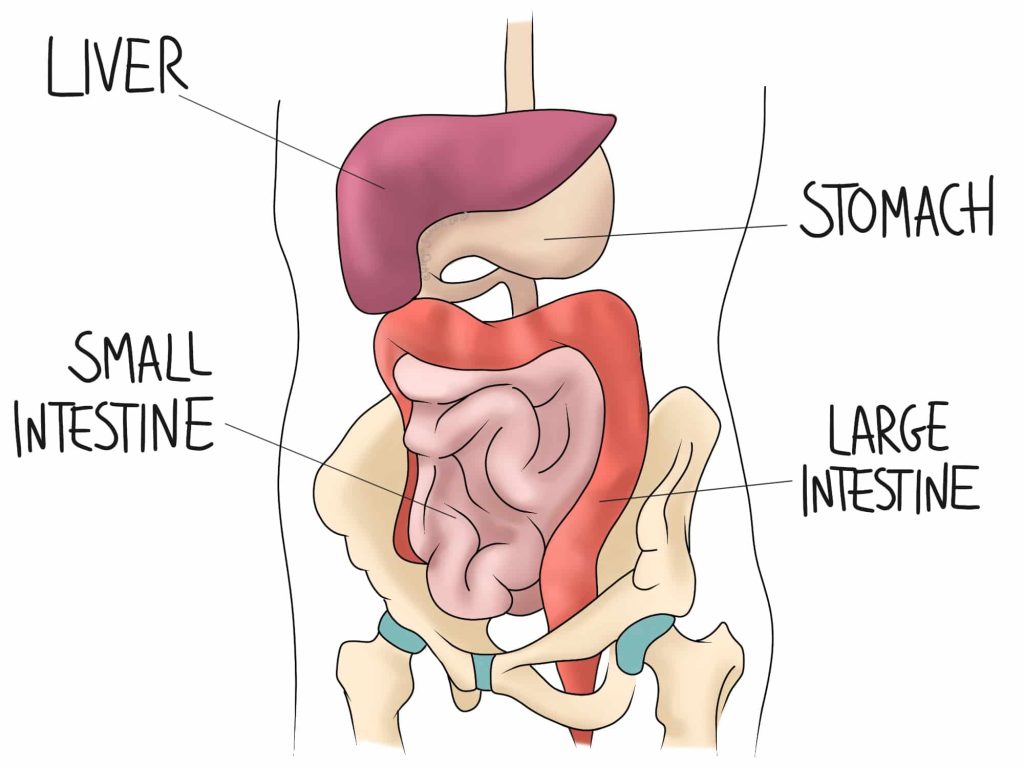
Another possible lifestyle factor for constipation is a lack of mobility. In an increasingly sedentary world, you may find that, if you work from home, you might not walk much more than a few laps of the house. Your daily step count could be below even 1000 a day if you’ve been glued to your desk. Walking allows movement to translate through the abdominal muscles, so inactivity can remove that helping hand to organs like the bowel. Thus, waste products may move slower. This compounds the problem, as the longer waste products remain in the bowel, the more water is reabsorbed and the harder the stool becomes. This means that when it does reach the point of being passed, it’s more difficult to do so.
Does this resonate with you? If you know that you could be doing more to move, try and make that a routine part of your day. Could you get out for a walk at lunch? Could you do your food shop in person instead of having it delivered? Any kind of yoga or stretching break throughout the day can help as well , it doesn’t have to be high impact. But anything that moves your whole body like swimming would be a great one to consider. Some people find that classes are easier to commit to than find internal motivation to follow a YouTube exercise video under their own steam; investigate what’s available local to you. Alternatively, if your mobility is reduced due to pain, let your osteopath help you get moving again.
Osteopathy and Adult Constipation
Although our primary focus is musculoskeletal, there may still be things that we can do to help. Osteopathy is recognized as a potential support for digestive issues. As mentioned above, anything stopping you from walking or otherwise staying mobile is worth addressing too. So if you have something like hip or knee arthritis or lower back pain that prevents you from moving as much as you’d like to come and get it looked at for the benefit of the whole body.
Click here to make an appointment in Leicestershire or Rutland