Shoulder pain is one of the most common reasons people seek treatment, particularly if they play sport or have a physically demanding job. While muscle strains and rotator cuff injuries are well-known causes, another condition that can produce severe shoulder pain is calcific tendinopathy.
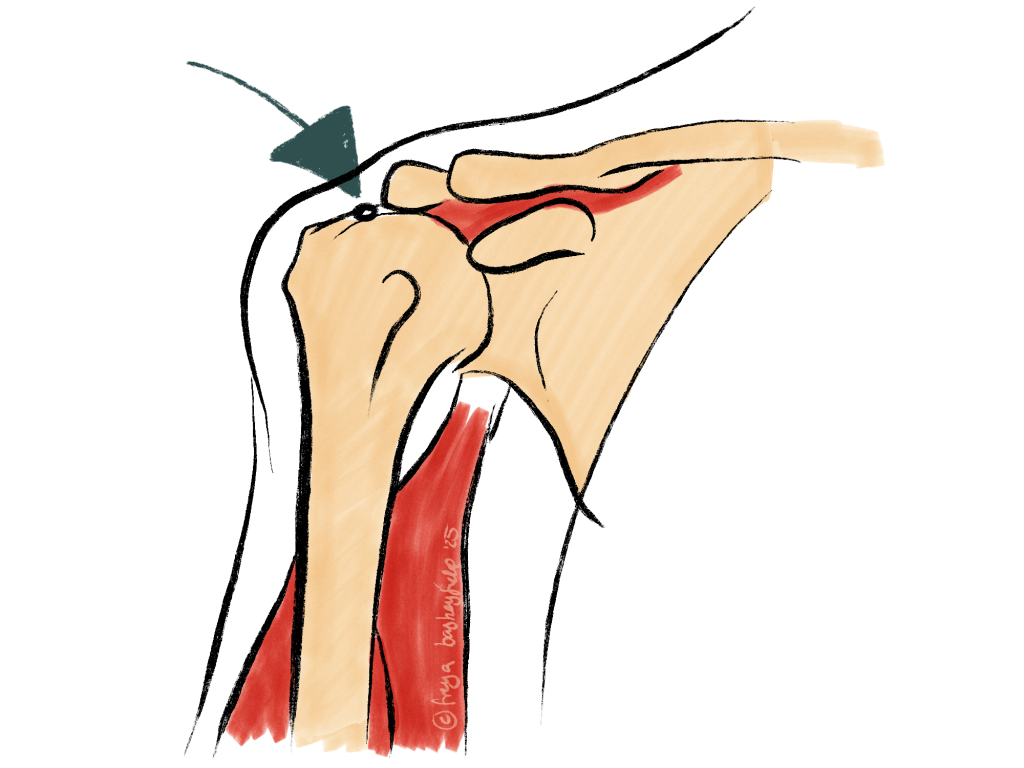
Despite the name, calcific tendinopathy is not simply “calcium building up” in the shoulder. It is a condition where calcium deposits form within a tendon, most commonly one of the rotator cuff tendons. The symptoms can vary from a mild ache to pain so severe that lifting the arm becomes almost impossible. This loss of movement may mean it is mistaken for frozen shoulder.
What Is Calcific Tendinopathy?
The rotator cuff is a group of four muscles that work together to stabilise the shoulder while allowing you to lift, throw, and reach overhead. Their tendons are under high demand during daily activities and sport. In calcific tendinopathy, calcium crystals are deposited within one of these tendons. Researchers still do not know exactly why this happens, but it appears to be part of an active process within the tendon rather than simple wear and tear.
The condition is most common between the ages of 30 and 60, affects women slightly more often than men, and is more frequently seen in people with diabetes or thyroid disorders.
Symptoms
Symptoms vary depending on the stage of the condition. Pain on the tip of the shoulder, loss of movement, and issues with reaching behind the back or overhead are common. These are all symptoms of frozen shoulder too. We also expect weakness, and pain when laying on that side. Some people develop symptoms gradually, while others wake up with severe pain that seems to appear overnight.
Sports and Calcific Tendinopathy
Sports involving repeated overhead movements can place significant demands on the rotator cuff. Swimming, tennis, badminton, cricket, volleyball, and throwing sports all require the shoulder to work hard to control rapid, repetitive movements. Although sport is not thought to directly cause calcific tendinopathy, repeated loading of the shoulder may aggravate an existing tendon problem or make symptoms more noticeable.
It’s important to remember that not all shoulder pain in athletes is calcific tendinopathy. Rotator cuff strains, labral tears, shoulder instability, and bursitis can all produce similar symptoms. This is why a thorough assessment is so valuable before deciding how best to manage the problem.
How Osteopathy Can Help
Although osteopathy cannot dissolve the calcium deposit itself, it can help improve the way the shoulder functions while the tendon recovers.
Pain often causes the shoulder muscles to tighten, while movement through the shoulder and beyond struggles. These compensations increase the workload on the injured tendon and sometimes lead to secondary pain elsewhere. Avin will assess not only the shoulder joint, but also the movement of the back, shoulder blade, and surrounding muscles.
Treatment may include gentle manual therapy, rehabilitation exercises to improve shoulder control, and advice on modifying sporting activities while symptoms settle. Rather than stopping exercise completely, it is often possible to adjust training volume, intensity, or technique so that healing can continue without excessive irritation. It’s rare that total rest makes anything better faster than gentle loading.
Click here to make an appointment for your shoulder pain in Rutland or Leicestershire