Cranial Osteopathy
You may have heard news from celebrities getting cranial osteopathy for their newborns. Joe Wicks recently made headlines, as has Pippa Middleton. But what is cranial osteopathy, and why would you want it?
What is Cranial Osteopathy?
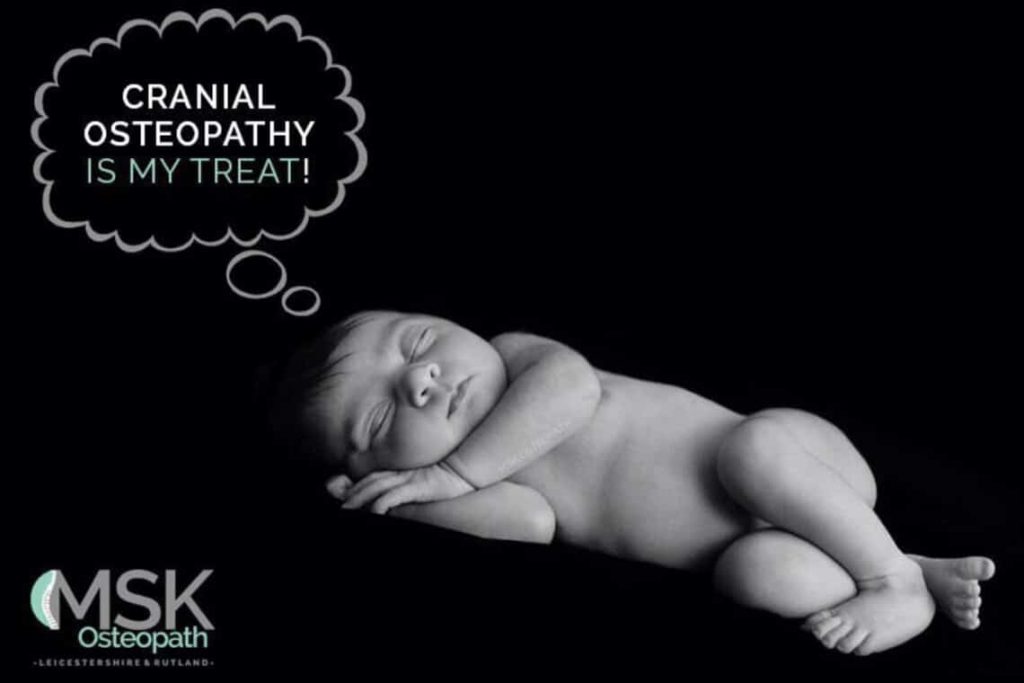
Cranial osteopathy is actually a treatment for both babies and adults. For babies, this gentle approach can give quick results for problems that may have developed at birth or in the first few weeks of life. One common problem is muscular asymmetry in the neck, which may be diagnosed as torticollis if it becomes more significant.
In October 2019, Pippa Middleton wrote an article in the Waitrose Weekender about her baby’s cranial osteopathy, reporting that “the osteopath noticed one side of his neck was tighter than the other, which explained why he favoured one side sleeping.”
As with other forms of osteopathy, the osteopath will take a case history, and assess the feel and movement of tissues in the affected area. When they have an understanding of the problem, they can deduce whether cranial treatment is appropriate.
What Does Cranial Treatment Entail?
The osteopath holds the patient’s head, typically while they are lying on their back. They feel for small movements or imbalances, and use gentle movements to encourage the body to correct itself. This may look like nothing is happening at all- it’s not a spectator sport!
Due to the gentle nature of treatment, any adverse effects are likely to be transient.
Treatment for Newborns
Babies are very responsive to treatment, which means cranial can be particularly effective for them. However, it also means they might react to imbalances in day to day movements. Difficult birth, particularly where the baby was in an awkward position or needed intervention, might cause strains or discomfort through the body.
Very young babies can have a lot of abdominal discomfort too. When they are very young, the bowel does not push waste through (peristalsis) as well as it does in adults. This means they might have to actively push more, or they might experience tummy aches. The only symptom may be crying or general fussiness, which can be hard to pin down to one specific cause. An osteopath may be able to help through cranial treatment, or more direct treatment to the abdomen.
While babies’ skulls are still underdeveloped, the bones are not fused. This means that excessive pressure on one side can change the shape of the head, for example if they like to turn their head one way over the other. As mentioned above, cranial osteopathy can help with the root cause of this if it is due to tightness in one side of the neck. Direct cranial treatment to the skull may also help.
Treatment for Adults
Cranial osteopathy complements generic osteopathy well. For adults, cranial may help with tinnitus or problems with the jaw.
Many people find this kind of treatment particularly relaxing, and may opt in to it for stress related conditions, including some problems with the diaphragm, bowel, or shoulders. Stress related headaches may also benefit.
Yes, that is very common. The pressure is so light that many people are surprised by how little they feel. Some find it very relaxing and a few people fall asleep during treatment.
Yes. Cranial osteopathy is suitable for adults as well as children. It can be a good option if you prefer a gentler approach, or if you are too sore for firmer techniques.
Yes. Avin sees many newborn babies and has used cranial techniques with babies for many years. Treatment is very gentle, and you stay with your baby throughout.
Avin can see babies from 2 days old.
Avin will ask about the pregnancy, the birth, feeding and how your baby has been since. He will then gently assess and treat your baby, usually whilst they lie on the couch, sit on your lap or feed. Your baby can stay dressed.
No. Cranial osteopathy is not a substitute for medical care. If your baby has a high temperature, is not feeding, is unusually sleepy or floppy, or you are worried about them in any way, contact your GP, health visitor or NHS 111 straight away.
A cranial osteopathy initial appointment costs £80 and a follow-up costs £70.