
Whiplash is a neck injury usually caused by a sudden acceleration and deceleration of the head, such as during a road traffic collision. The rapid movement can strain muscles, sprain ligaments, and injure other structures around the neck and upper back.
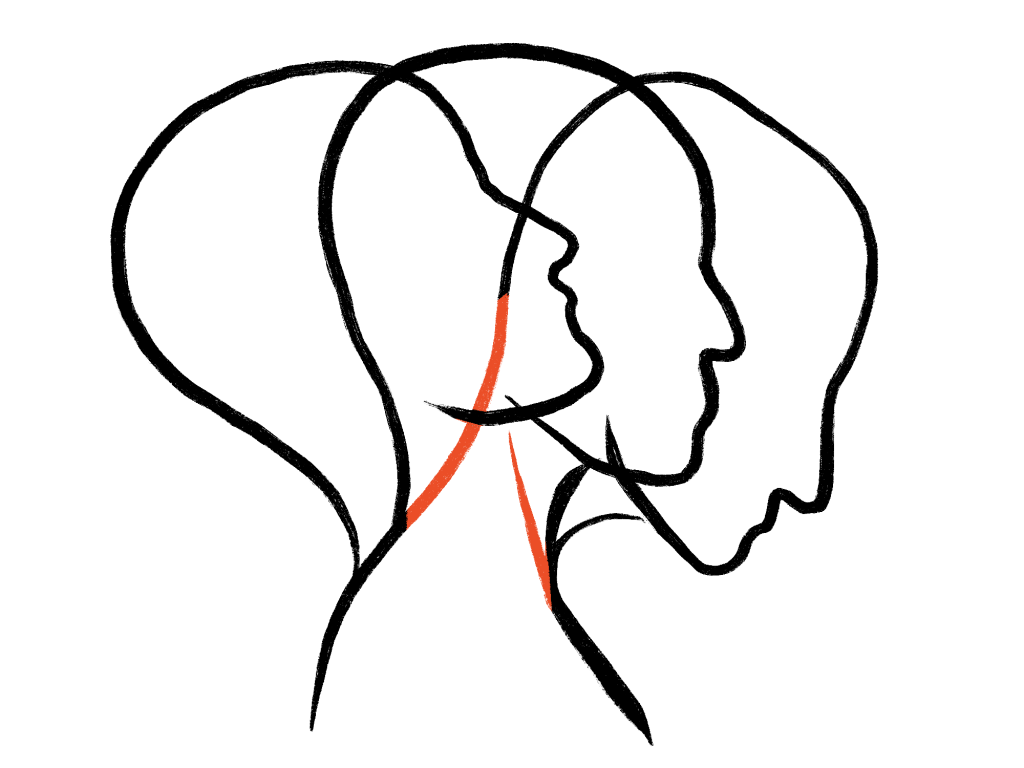
If you have recently experienced a significant accident or developed new neck pain following trauma, the priority is appropriate medical assessment. Traumatic onset neck pain is not something that should simply be treated as a routine musculoskeletal problem. Depending on the circumstances and your symptoms, you may need assessment to rule out more serious injury before considering osteopathic treatment.
What are the symptoms of whiplash?
Whiplash symptoms do not always appear immediately. Neck pain and stiffness are common, along with reduced movement, muscle soreness and pain around the shoulders or upper back. Some people also experience headaches, dizziness or pain extending into the arms. It may take a day or two post-injury for these symptoms to become apparent.
Be aware that during sudden acceleration-deceleration injuries, the neck may reach the end of its ranges in both flexion and extension. This stretches and compresses the structures in the neck to the extreme. In road traffic collisions, the range of movement can be mitigated by a well positioned head rest. This might need to be adjusted to a higher setting than you expect. It’s not unusual for someone to rise higher in their seat during these collisions, meaning an insufficiently high head rest may offer little support against neck extension.
What happens after you have been given the all clear?
Most people with whiplash-related symptoms improve over time, but some can be left with long lasting neck pain or restricted movement.
Once significant injury has been excluded and you have been advised that it is appropriate to manage the problem conservatively, the focus can shift towards restoring normal movement and function.
This is where osteopathy may have a role. Rather than treating the original injury itself, Avin can assess the mechanical factors contributing to ongoing symptoms. This may include the movement of the neck and upper back, shoulder mechanics, muscle tension and how you are using your body during everyday activities.
Whiplash and cervicogenic headaches
Persistent neck problems can sometimes contribute to headaches originating from structures in the neck, known as cervicogenic headaches. These are different from migraine and other types of headache, although symptoms can overlap.
If headaches have developed or persisted following a neck injury, it is important to consider the wider clinical picture rather than automatically assuming that the neck is the cause. Appropriate assessment can help identify whether further medical investigation is required.
Avin can also assess associated musculoskeletal problems once the original injury has been medically cleared.
Getting back to normal
Recovery from whiplash does not necessarily mean waiting for every symptom to disappear before gradually returning to normal activity. Depending on the individual circumstances, maintaining appropriate movement and progressively rebuilding strength and confidence may be helpful.
If you have ongoing neck pain following a previous whiplash injury and have already been medically assessed, Avin can help identify the mechanical factors that may be contributing to your symptoms and develop an appropriate treatment and exercise plan.
If you have recently experienced a traumatic neck injury, seek appropriate medical assessment before arranging osteopathic treatment.
Make an appointment with Avin to discuss persistent neck pain after a whiplash injury, once you have been medically cleared.