
Ganglion cysts are small, fluid-filled lumps that commonly develop around joints or tendons. They are most often found around the wrist and hand, although they can also occur around the ankle, foot, or other joints.
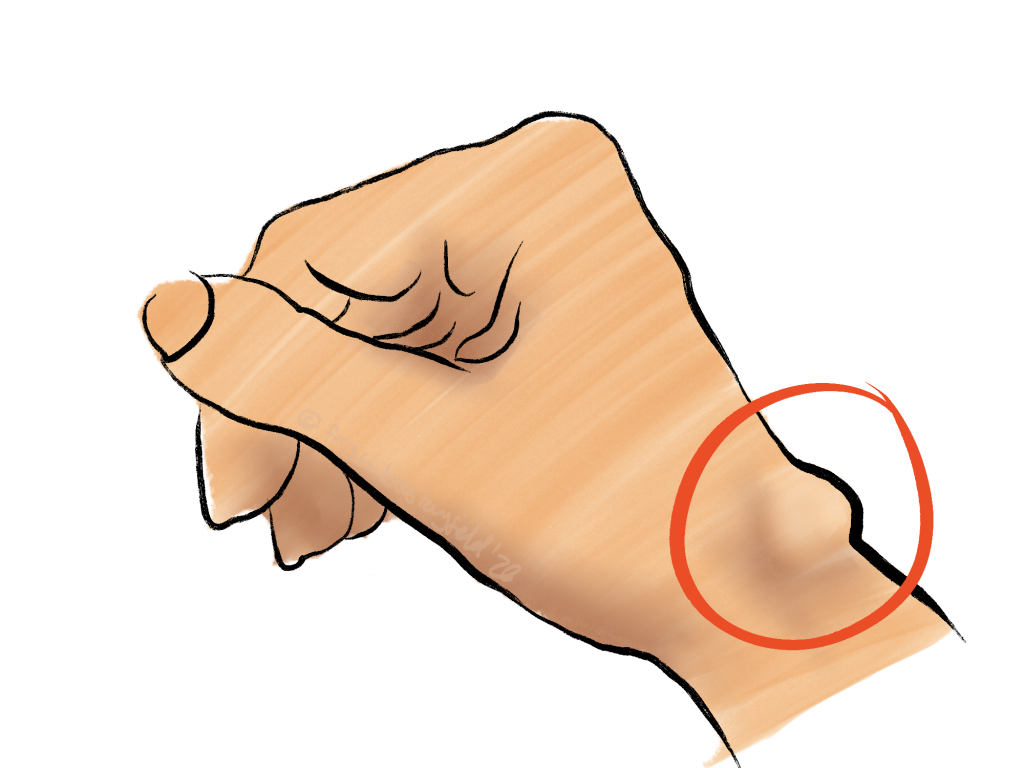
Although finding a lump can understandably be worrying, ganglion cysts are benign (non-cancerous) and are usually harmless. Some cause no symptoms at all, while others can become painful or limit movement depending on their size and location.
What Causes a Ganglion Cyst?
Ganglion cysts develop when fluid that normally lubricates joints and tendons collects in a small sac. The exact reason a ganglion cyst forms is not always clear. Sometimes they appear after an injury, while others develop gradually without any obvious trigger. Repetitive movements or increased stress through a joint may contribute, particularly in areas like the wrist due to frequent gripping and weight-bearing activities.
Ganglion cysts are most common in adults between the ages of 20 and 50, and they occur more frequently in women than men.
Symptoms of Ganglion Cysts
The most obvious sign is usually a smooth lump near a joint or tendon. The size of a ganglion can change over time, sometimes becoming more noticeable after activity and smaller when the joint is rested.
Some people experience localised aching or tension, which may be worse during activity. There may also be some reduced movement, or some symptoms of nerve involvement, like tingling or numbness (as per carpal tunnel syndrome).
Do Ganglion Cysts Need Treatment?
Many ganglion cysts settle without any intervention. If they are not painful and are not affecting function, monitoring them may be all that is required.
If a cyst bothers you, your GP may discuss options such as aspiration, where the fluid is removed using a needle. However, because the connection between the cyst and the joint often remains, the cyst may return.
The old-fashioned advice of hitting a ganglion with a heavy book to “burst” it is no longer recommended. While it may sound like a simple solution, it can damage surrounding tissues without addressing why the cyst formed in the first place.
How Osteopathy Can Help
Osteopathy cannot remove a ganglion cyst itself, but Avin can help assess the surrounding mechanics and any symptoms that may be contributing to discomfort.
A cyst around the wrist, for example, does not exist in isolation. The way the wrist moves is influenced by the forearm, elbow, shoulder, and even the neck. Reduced movement or increased tension elsewhere may change the forces passing through the joint.
Avin will look at the whole area to understand whether there are contributing factors that can be addressed. Treatment therefore is not always local to the wrist. Your plan may include:
- improving joint mobility with manipulation (clicking) or more gentle, repetitive movement
- reducing muscular tension with massage and stretching techniques
- prescribing exercises to improve strength and control
- modifying activities that may be aggravating symptoms
If the cyst is affecting a nerve and causing persistent numbness, weakness, or changes in sensation, further medical investigation may be appropriate.
Click here to make an appointment for your ganglion in Leicestershire or Rutland